
Time to Invest in Style: How Fashion Becomes a New Currency of Status
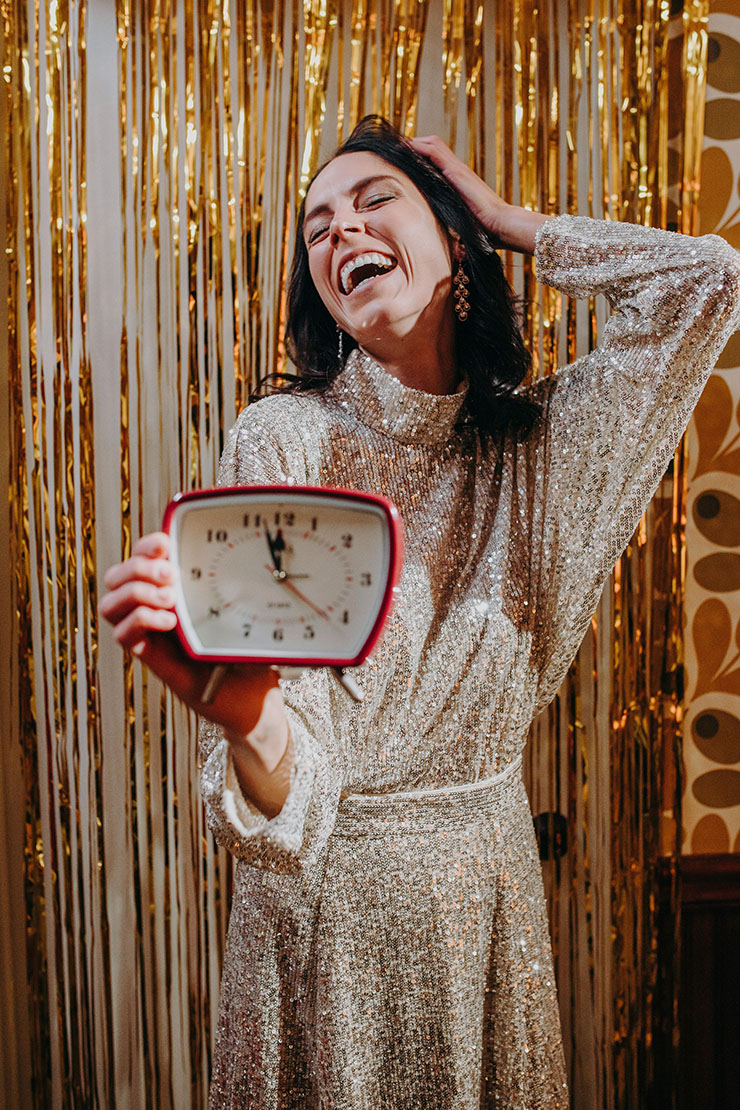
A quiet shift is happening in how people signal who they are. Square footage and car badges still speak, but the message now travels faster through fabric, fit, provenance, and care. In this reading of the world, style isn’t costume; it is a long-term habit. Observers notice that when someone dresses with intention day after day, doors open a little easier, conversations start a little warmer, and first impressions last a little longer.
On a weekday morning, a commuter passes a newsstand headline muttering lucky numbers of today and keeps walking, amused. Luck is welcome, but it is unreliable; while style, practiced steadily, is a form of planning. They know which jacket works under office LEDs, which shoes survive wet sidewalks, which color calms a meeting room. None of it screams for attention. It simply reads as competence.
What changed? First, attention became scarce. When anything can be bought, coherence is the rarest luxury. Second, life is blurred: office, travel, social time, and screens overlap, so wardrobes must flex without costume changes. Third, social trust eroded in many spaces; people now scan for quiet proofs of care and reliability. Clothing can carry those proofs when it is chosen for longevity rather than spectacle.
What now reads as status (without shouting)
- Fit over price. A mid-range coat, altered to the shoulder, outranks an unaltered luxury one.
- Material literacy. Wool that breathes, linen that wrinkles well, leather that takes polish — signals of time horizon.
- Provenance and ethics. Makers who name their mills and workshops lend credibility to the wearer.
- Maintenance visible in the finish. Clean hems, brushed suede, repaired buttons — evidence of care.
- Context awareness. Dressing to the room shows social fluency, the scarcest luxury of all.
People who treat style as an investment don’t stockpile; they edit. They track which items actually work and let the rest go — sold, donated, or tailored into usefulness. They buy fewer things and learn small rituals: steam, brush, hang, mend. The return isn’t only compliments; it is saved time, calmer choices, and a steadier presence when stakes are high.
Consider a familiar scene. They once bought a blazer because a friend swore by the brand. It looked fine in the mirror, but the sleeves tugged when reaching for a laptop. Instead of abandoning it, they visited a tailor who adjusted the pitch and shortened the cuffs by a whisper. Suddenly it sat right, and meetings felt easier — not because of the label, but because the garment stopped asking for attention. That is what “investment” looks like in daily life: small, compounding corrections.
Practical ways to invest in style
- Write a simple thesis. Three base colors, two accents, a few silhouettes that fit real days.
- Buy “blue chips.” Shoes, outerwear, and a bag that survives weather — pieces that touch the world first.
- Allocate to “growth.” One seasonal update that shifts proportion or texture, not identity.
- Budget for care. Tailoring, cobbling, dry cleaning, a clothes brush — maintenance beats replacement.
- Measure cost per wear. If it stalls in the closet, it exits; if it works weekly, fund that category.
Sustainability folds into this mindset without slogans. Repair extends life; resale keeps circulation honest; rental covers one-off events so clutter doesn’t creep back. The person who acts this way doesn’t preach — yet their closet emits fewer sighs and more satisfying clicks when the hanger meets the rail. The result is lighter, not sanctimonious.
Critics argue that fashion as “currency” risks snobbery. The counterpoint is humility: true status today is consideration. Shoes you can stand in during someone else’s presentation. A coat that keeps you dry so you arrive present, not frazzled. A dress formal enough for respect yet easy enough for laughter at dinner. These are social gifts, not personal billboards.
Technology helps at the edges. Recommendation engines surface small labels; virtual fittings cut returns; forums teach care rituals a grandparent once showed by the window on a Sunday afternoon. But the core remains delightfully analog: hands sew, weather tests, bodies move. When a garment does its job, it frees attention for people and ideas — the real luxury.
Over time, the returns show up in unlikely places. A security guard waves them through because they always look prepared. A hiring manager remembers the quiet watch and the on-time arrival. A friend asks for the cobbler’s address after noticing a repaired welt that looks better than new. None of this is flashy. It reads as someone who makes small good choices and lets them add up.
The conclusion is simple: fashion became a currency when it began to purchase ease — for the wearer and for everyone around them. Invest not in noise but in the grammar of good clothes: fit, fabric, care, and context. Luck will have its moments; taste will have its months and years. And that steadiness, worn kindly, is what status looks like now.
FTC Disclaimer: Keep in mind that I may receive commissions when you click links and make purchases. However, this does not impact my reviews.
