
10 Fashion Industry Secrets You’d Rather Not Know About
The fashion industry presents itself as a realm of glamour, style, and luxury. However, behind this alluring façade lies a complex web of secrets that many insiders prefer to keep hidden. These secrets reveal the often uncomfortable truths about the industry’s operations, ethics, and impacts that could drastically alter public perception and consumption habits.
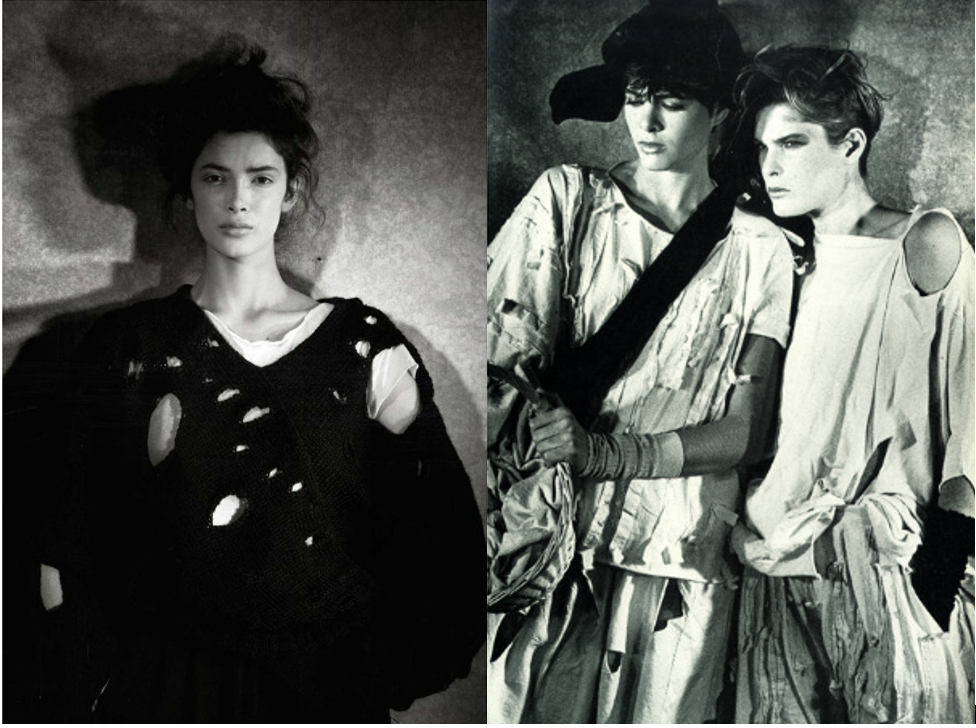
1. The Oligopoly of Profits
Just 20 companies out of the many thousands that make up the global fashion industry control an astonishing 97% of the total profits. This dominance by a select few such as Tommy Hilfiger, Calvin Klein, Dior, and Gucci, shows a staggering concentration of market power that stifles competition and innovation. Smaller brands and new entrants struggle to make an impact in an industry where the rules of the game are seemingly predefined by these giants.
These corporations have mastered the art of global branding, marketing, and consumer psychology, setting trends that dictate the market dynamics and consumer choices worldwide. This oligopolistic structure not only limits the diversity of offerings in the market but also consolidates most economic benefits to those at the top, often at the expense of smaller, potentially more innovative players. Similarly, if you’re looking to play in an online casino, you might want to check out platforms that offer fair opportunities. For instance, consider a casino that provides exciting bonuses, quick payouts, and generous promotions, much like Crusino Casino offers, ensuring that everyone has a chance to win big.
2. The Illusion of Truth in Advertising
Fashion advertising is a polished craft designed to sell not just a product but an idealized lifestyle that can often be far from the truth. Advertisements strategically highlight the most appealing features of a product, such as sustainability claims or exclusive materials, while conveniently omitting less favorable facts. This selective transparency can mislead consumers about the true nature of the products they purchase.
For instance, the use of ‘recycled ocean plastic’ is a popular claim that sounds environmentally conscious but masks the reality of continued pollution and environmental degradation. This greenwashing tactic is designed to appeal to the eco-aware consumer without making substantial changes to manufacturing processes that would genuinely reduce the brand’s environmental footprint.
3. The Misleading Appeal of ‘Eco-Friendly’ Products
The term “eco-friendly” is often used more for its marketing value than its factual accuracy in the fashion industry. Brands promote materials like ‘eco leather’ as sustainable alternatives, even though these materials are essentially plastics rebranded as eco-conscious choices. This misleading marketing is widespread as it taps into the growing consumer demand for environmentally responsible products, regardless of the actual impact.
Moreover, these claims are rarely supported by transparent evidence or third-party verification, making it challenging for consumers to know whether their purchases genuinely benefit the environment or are merely contributing to a façade of sustainability. This practice undermines genuine efforts in the industry to address environmental issues and misleads consumers who wish to make responsible choices.
4. The Hidden Complexities of Clothing Production
The production of clothing has become increasingly complex and opaque as brands outsource manufacturing across the globe. This global supply chain makes it difficult for companies to monitor or control the conditions under which their goods are produced, often leading to labor abuses and poor working conditions. The lack of transparency about manufacturing processes keeps consumers in the dark about the true cost of the items they wear.
Furthermore, as garments pass through numerous hands from the initial design to final sale, information about the materials used, the labor involved, and the environmental impacts can become obscured or lost. This ‘weathering’ of information means that even brands themselves may not fully understand the entirety of their own supply chains, complicating efforts to make them more sustainable or ethical.
5. The Paradox of Environmental Initiatives
Many fashion brands have publicly committed to reducing environmental harm through various initiatives, such as reducing dye pollution or investing in sustainable technologies. However, the economic pressures to keep costs low often lead these same brands to source materials from suppliers who do not adhere to these practices. This contradictory behavior highlights a paradox where brands’ actions do not always align with their public commitments to sustainability.
The continued reliance on harmful practices, particularly in developing countries where regulations can be lax and oversight limited, contributes to ongoing environmental degradation. Brands may boast about green technologies in one instance, but simultaneously support practices that harm ecosystems in another, revealing a stark inconsistency in their approach to environmental responsibility.
6. The Wasteful Practices of Overproduction
Luxury brands often produce more items than they sell to maintain a sense of exclusivity and demand. Unsold goods are frequently destroyed at the end of each fashion season to prevent them from entering lower-priced markets or discount stores. This practice not only wastes materials and labor but also contributes significantly to environmental pollution, as burning these products releases toxic chemicals into the atmosphere.
The rationale behind this practice is to uphold the brand’s image of luxury and scarcity, arguing that discounted items could devalue the brand’s status. However, this approach is inherently unsustainable and highlights a prioritization of image over ethical considerations, including waste reduction and resource conservation.
7. The Educational Gaps in Fashion Schools
Fashion schools affiliated with major fashion houses focus heavily on design and brand management rather than practical skills like sewing or pattern making. This curriculum is designed to produce future industry leaders who understand market trends and branding, rather than artisans skilled in the craft of garment making. This educational model supports the industry’s focus on profitability and marketability over craftsmanship and quality.
These institutions often promote a glamorous vision of fashion that aligns with the interests of the major brands that may fund or support them, potentially neglecting the technical skills and ethical considerations that are crucial for the future sustainability of the industry. As a result, graduates may enter the workforce with a skewed understanding of the fashion world, prepared to perpetuate its current practices rather than innovate or reform them.
8. The Unsung Heroes Behind Fashion Brands
Behind every major fashion brand are countless skilled artisans whose work is critical to the creation of high-fashion pieces. These craftsmen and women, experts in fields like embroidery, dyeing, and fabric manipulation, often remain anonymous, while the brand and its lead designers receive all the recognition and accolades. This lack of acknowledgment reflects the industry’s hierarchical structure, which values brand names over individual craftsmanship.
The work of these artisans is often undervalued and underpaid, despite their crucial role in the creation of luxury fashion. The industry’s failure to recognize and fairly compensate these workers perpetuates a cycle of exploitation and obscures the true artistry that drives fashion innovation.
9. The Struggle of Garment Workers
Garment workers, often located in low-wage countries, are the backbone of the fashion industry, yet they receive only a tiny fraction of the cost of the garments they produce. This disparity highlights the significant inequality in the industry, where workers are paid minimal wages and work in often deplorable conditions. The economic exploitation of these workers supports the high profit margins enjoyed by brands and retailers.
Furthermore, the lack of fair wages means that many workers live in poverty, struggling to afford basic necessities, let alone the products they create. This stark reality is at odds with the glamorous image promoted by fashion brands and raises serious ethical questions about the industry’s responsibility toward its most vulnerable employees.
10. The High Cost of Luxury
The luxury fashion industry’s pricing strategy is not solely based on the cost of materials or the labor involved but significantly on the brand’s perceived value. Consumers pay high prices for luxury items, often due to the brand’s reputation, built through extensive advertising, celebrity endorsements, and high-profile events like fashion weeks. This branding creates an aura of exclusivity and desirability that allows brands to charge premium prices.
While some of the cost is attributable to high-quality materials and craftsmanship, a significant portion goes towards maintaining the brand’s luxury status. This aspect of the industry highlights the psychological and marketing tactics used to encourage consumers to spend more, often under the guise of purchasing superior quality or gaining entry into an exclusive societal group.
Conclusion
Unveiling these secrets of the fashion industry sheds light on the less glamorous aspects that are often hidden from public view. By understanding these complexities, consumers can make more informed decisions and advocate for changes that promote ethical practices, sustainability, and fairness within the industry. It is essential for all stakeholders to work together towards a more transparent and responsible fashion industry that values both people and the planet.
FTC Disclaimer: Keep in mind that I may receive commissions when you click links and make purchases. However, this does not impact my reviews.
