
What Your Clothes Say About You: The Psychology of Fashion
Is fashion worth a thousand words? It certainly is one of the things people set their attention on when it comes to strangers, business associates, and the social scene. As people frequently subconsciously pick up on details, there are many associations they establish as they observe somebody’s attire, which all too often end up turning out to be true.
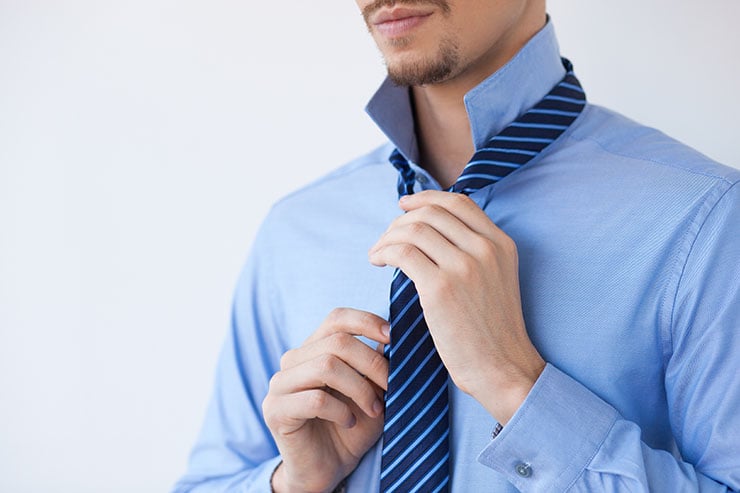
While it is true that we shouldn’t be entirely judgemental, it sure is fascinating and useful for marketing purposes to consider the clothing choices individuals make. Today we are going to verbalize the psychological factors affecting why people choose to put on one garment and not the other.
The subtle signs of fashion
We’ve all observed odd habits that some of our acquaintances have held onto. In some cases, it’s our father who likes to lounge around in his robe, other people like to wear the same sweater every day, still others continue to hold onto a t-shirt they owned way back during their college years. Here are some habits a lot of people maintain and what they suggest.
Plain colors with no accessories
In this case, it’s highly likely the person doesn’t enjoy standing out. They may be introverted and in their shell and prefer that the spotlight stay off of them. There’s a good chance they’re afraid to try something bold with their fashion.
Holding onto childhood clothes or clothes from their 20s
People who like to hold onto something from the past probably treasure the time when they used to wear the shirt, sweatshirt, or jacket, whatever it may be. People who don’t get rid of any of their clothes are more sentimental.
If the style of the clothes is particularly youthful, especially if their entire wardrobe is, they probably feel younger and are caught up in that younger age. There are other obvious giveaways, such as when people wear cartoons or anime on their shirts on a regular basis, that they may be trapped even in their childhood.
Always wearing professional attire
These people often consider what they do and the amount of money they earn as what gives them most of their value to society. They are also usually ambitious and focused. It would still be healthy for these people to recognize that there are ways they can gain recognition outside of just material accomplishments. If they have a hobby like skydiving for instance, they could use a platform like Yellow mockups to modify photos of their hobby in an endless myriad of cool ways.
Wearing modest, simple dad clothes
People who don’t direct much attention to their clothing, such as the aforementioned robe dad wearing a mockup hoodie and plain jeans most of the time, often put their family above everything else since they have no time to devote to fashion, which they consider insignificant.
Sporting lots of accessories
Those who wear a lot of earrings, tattoos, rings, and such are often extroverted, since they are highly expressive in their look. These people are also likely to engage in some art form like painting, music, fire juggling, or sculpting.
Nonverbal cues
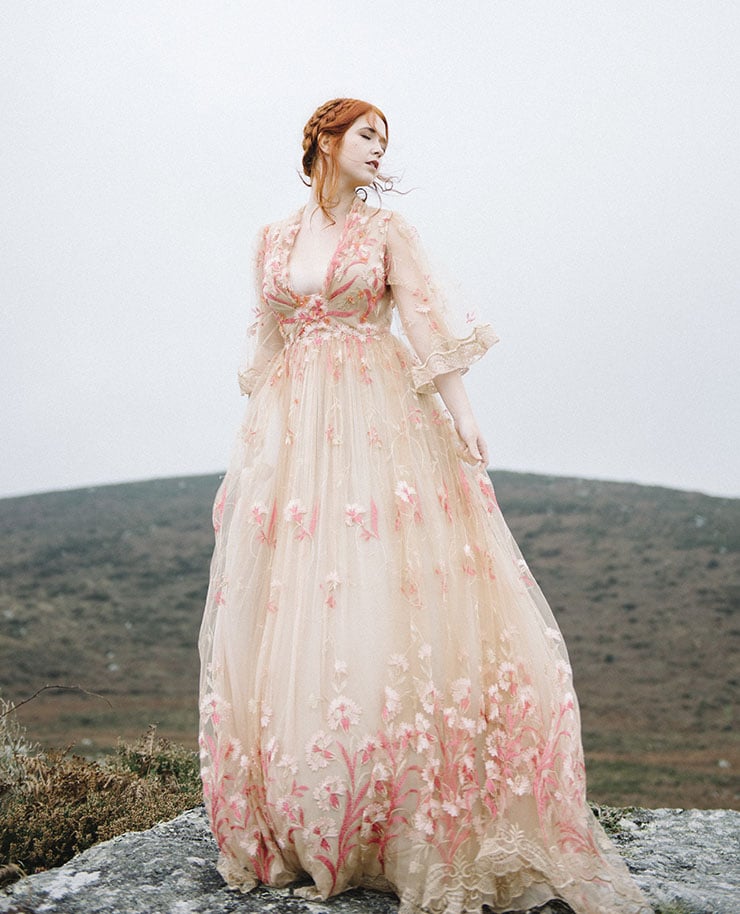
Clothing helps non-verbally convey emotion, confidence, and status, whether these assumptions are true or not. Choices affect how others perceive us. Here are some basic ways.
- Status: A business suit conveys a feeling of confidence and professionalism, while casual clothing conveys relaxation and freedom. People are more likely to respect a person who’s dressed in a suit. If someone is doing business with another person who’s wearing the classic jeans, t-shirt, and hoodie mockups attire constantly, they’re less likely to think he’s committed and reliable. On the flip side, if someone is wearing a suit at a college party, he’ll appear uptight and unable to relax.
- Traditional gender roles: A woman in an elegant dress can convey sophistication and femininity while a man dressed in a long-sleeved dress shirt suggests he’s a gentleman.
- Confidence: A lot of attire choices attract more attention and thus people assume they are more confident by putting them on. High heels are associated with confidence and grace, as they flatter the woman’s legs and attract the male gaze. Sunglasses, spiked hairdos, and a hoodies mockup with a loud message or logo on it, in general, suggest that the person is extroverted and can handle getting attention.
Cultural and social identity
The country, generation, and society in which a person grows up are often reflected in their attire. Cultural norms play a huge role in shaping clothing preferences. This was true three hundred years ago, and it is true today.
Norms and expectations
Every society has its own concepts of what is appropriate and fashionable. A strict corporate dress code emphasizes the professionalism of its employees and creates an atmosphere of concentration and conformity. A school or sports uniform is, meanwhile, designed not only to be aesthetically attractive but also to discipline the participants and create a sense of unity among them.
It is also worth noting that freedom of expression is welcomed in a creative environment. You can find artists in suits or shorts. People born in Muslim countries are a lot less likely to show a lot of skin even if they immigrate to a Western country. People in Europe do the opposite, even while in Middle Eastern countries. The younger people are too, the less conservatively they dress in nearly all countries.
Rebellion or Conformity
In choosing clothes, young people can rail against generally accepted norms with ripped jeans or ties over T-shirts. Clothing at this age is inextricably linked to the search for one’s place in the world. Many young people who are in their teens who wear dress shirts and slacks are perceived as looking older. These often are either conservatives or people who are already well-focused on their budding careers.
Celebrities and fashion hubs
Media, advertising campaigns, bloggers, and celebrities actively shape fashion trends and influence consumer choice. Certain brands become popular after famous people start wearing them, creating a copycat effect. Wearing sneakers like Kanye or a dress like Audrey is a simple and understandable desire, an attempt to become more like your idol. Fashion companies also put out new lines all the time that reel people in.
Subcultures
Almost every subculture has its own characteristic style of clothing, which is thereby established as a symbol of belonging to the group. During the Renaissance, poor Swiss mercenaries dressed up as colorfully as possible to emphasize their special status. Rockers since the late 20th century have had their own dress code, especially the metal and punk subcultures. The British fashion industry played a large role in that, as it frequently strives to buck the norm.
At the beginning of the millennium, emos and goths also pronounced new preferences in clothing, colors, and accessories. Musical preferences, expressed through appearance, can over time turn from a sign of a subculture into a whole new fashion trend.
Psychology of luxury and designer fashion
People who purchase luxury clothing are often guided by more than just psychological motives. Luxury brands project a certain image and create a sense of exclusivity.
- Status symbols and prestige: Famous brands are associated with quality, prestige, and success. By purchasing clothes from such brands, people emphasize their wealth, professionalism, and sense of taste, whether real or just projected. In addition, buying expensive things often is a way of self-affirmation and emphasizing status.
- Emotional value: For many, luxury clothing has not only material but also emotional value. It can be associated with achieving goals, gifts for special occasions, or memories associated with important moments in their lives.
- Impact on self-esteem: Wearing expensive and stylish clothes increases people’s self-confidence and influences how a person perceives himself and how others perceive them. This is often overcompensation. A lot of the time, meanwhile, wealthy individuals especially tech millionaires and billionaires feel no need to dress extravagantly, such as Mark Zuckerberg famously.
FTC Disclaimer: Keep in mind that I may receive commissions when you click links and make purchases. However, this does not impact my reviews.
