
From One Night to Forever: Red Carpet Fashion’s Lasting Influence
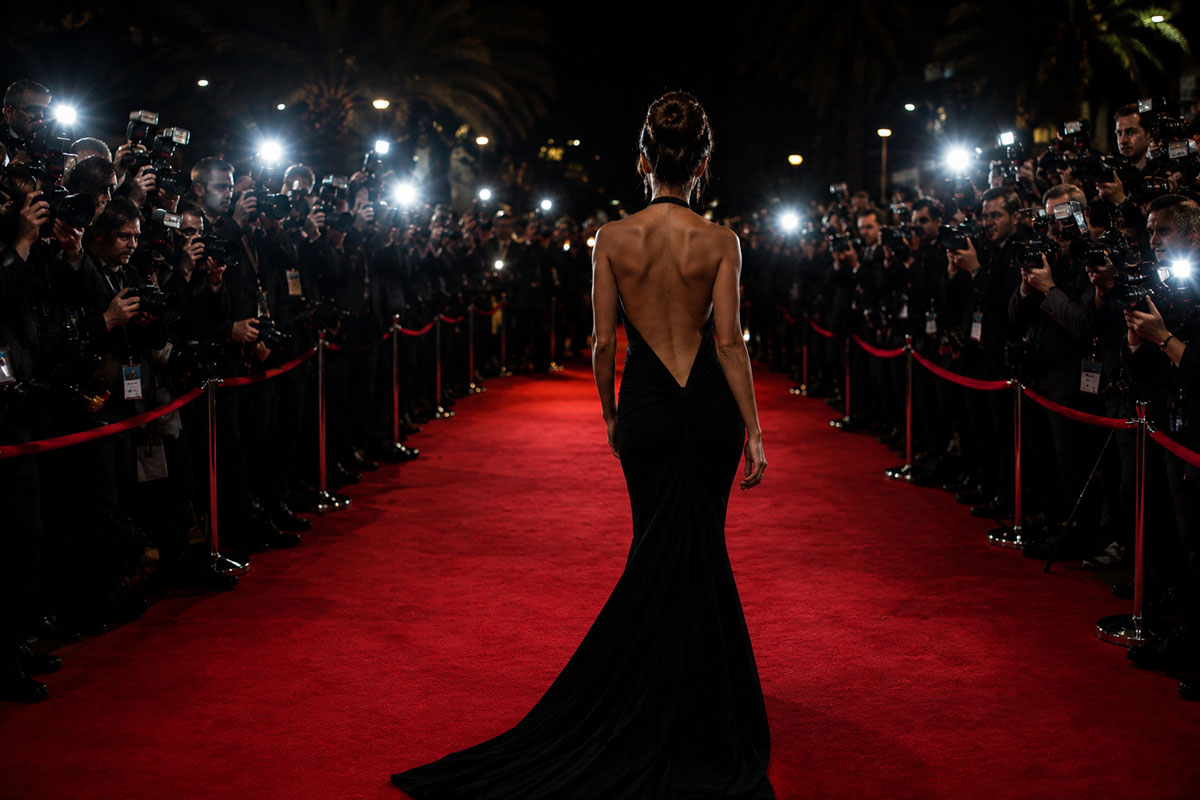
A red carpet look is built for a matter of minutes. A car door opens, cameras flash, a gown catches the light, and by morning the image has already been judged, shared, praised, challenged, and archived. Yet the best of these moments do not disappear with the event. They settle into fashion memory.
What lingers is rarely spectacle alone. It is the sweep of a silhouette, the authority of a perfect cut, the restraint of a single piece of jewelry, or the quiet strength of a beautifully made handbag. These details explain why some celebrity looks become lasting references while others fade almost as quickly as they arrived.
To understand what makes red carpet fashion endure, it helps to look beyond the obvious drama. Stylists think carefully about proportion, texture, movement, and finish. Those choices reveal what gives clothing emotional and visual staying power. Seen this way, the red carpet becomes more than a stage for fantasy. It becomes a blueprint for the timeless wardrobe.
Fashion’s Most Public Test
Red carpet dressing places fashion under unusual pressure. A look must survive movement, bright lights, close-up photography, instant commentary, and the unforgiving memory of the internet. One gown can define a season. Another can vanish by the next premiere.
That visibility is what makes the red carpet such a revealing test of timelessness. Unlike an editorial shoot, where lighting, angles, and editing can flatter almost anything, a public appearance exposes the truth of a design. Fabric either moves well or it does not. Tailoring either supports the body or fights against it. Accessories either complete the idea or distract from it.
The most enduring looks tend to share a certain discipline. They may be dramatic, but they are not careless. They understand the wearer, the occasion, and the image being created. That is why archival pieces can feel surprisingly current when styled well. Their relevance is not dependent on novelty. It comes from construction, proportion, and character.
Personal style matters too. Tilda Swinton’s best red carpet choices work because they feel inseparable from her own visual language. She can wear sculptural couture or severe tailoring without appearing consumed by it. The look belongs to her. That kind of alignment is often what separates an interesting outfit from a memorable one.
The Power of Shape
Before embellishment, before color, before styling, there is silhouette. It is the first thing the eye reads and often the last thing it remembers.
A strong silhouette does not need to be loud. A column gown, a sharply cut tuxedo, a strapless black dress, a sculptural sleeve, or a cinched waist can hold attention because the shape is resolved. It gives the body clarity. It creates presence without relying on excess.
This is why certain red carpet looks remain influential long after the season changes. Sequins, feathers, and trend colors can date quickly, but proportion has a longer life. The shoulder line, waist placement, hem structure, and volume of a garment all determine whether it feels considered or temporary.
The same principle applies away from the red carpet. A well-cut blazer, a clean evening dress, a structured coat, or a sharply tailored pair of trousers can carry the spirit of celebrity styling without imitating it. The lesson is not to dress as though every day requires a gown. It is to recognize that cut comes first.
A beautiful shape gives fashion its authority. Everything else is negotiation.
Accessories That Decide the Mood
Accessories are often described as finishing touches, but on the red carpet they can determine the entire direction of a look. A necklace can sharpen a neckline. A brooch can make tailoring feel personal. A clutch can bring structure to a soft gown. Shoes can either lengthen the line or interrupt it completely.
The strongest styling choices rarely feel decorative for decoration’s sake. They have purpose. Pearls can soften a black dress. Diamonds can bring light to a minimal gown. A metallic clutch can echo the flash of jewelry without competing with it. Leather gloves, a sculptural cuff, or a silk scarf can shift the mood from simple to cinematic.
Jewelry has always carried that power. Elizabeth Taylor understood it instinctively, and contemporary red carpet styling continues to prove the point. Colored gemstones, vintage collars, chokers, brooches, and waist jewelry have all moved through recent formal dressing with renewed confidence. The appeal lies in how these pieces frame the body and reveal personality.
Menswear has become especially interesting in this space. Watches are no longer the only acceptable accent. Pearls, brooches, waist chains, and jeweled pins now bring a more expressive language to suits and tailoring. When done well, the effect feels considered rather than performative.
An accessory should not explain the outfit. It should sharpen it.
The Handbag as a Signature
A handbag may occupy only a small part of the red carpet image, but its influence can be significant. The right bag changes the rhythm of a look. It can make a fluid gown feel more grounded, give minimal tailoring a point of polish, or add heritage to an otherwise modern silhouette.
Structure is often the reason. A box clutch, top-handle bag, quilted flap, or Kelly-inspired shape carries visual weight. It creates contrast against silk, satin, chiffon, or lace. That tension between softness and structure is one of the reasons classic handbags continue to appear in formal styling.
Material matters as well. Black leather brings authority. Metallic finishes catch the light. Vintage pieces suggest history. Rare skins, unusual hardware, or limited designs can signal a collector’s eye without needing to announce themselves.
This is where handbags become more than accessories. They reveal a relationship with fashion. A celebrity carrying a rare archival piece sends a different message from one choosing a sleek modern clutch. One suggests heritage. The other suggests precision. Both can work, but they tell different stories.
For fashion lovers studying these details beyond the red carpet, trusted luxury resale experts such as Rome Station Canada can offer useful context on authentication, craftsmanship, rarity, and why certain designer pieces continue to hold cultural relevance.
The best handbags do not compete with the dress. They complete the thought.
Craftsmanship Beneath the Glamour
Luxury often looks effortless because the effort is hidden. A gown that glides across the carpet, a jacket that holds its line, a handbag that keeps its shape, or a necklace that sits perfectly at the collarbone all depend on decisions most viewers will never consciously notice.
Fabric is one of the first giveaways. Silk satin reflects light with a depth that synthetics struggle to imitate. Velvet needs weight to fall properly. Tweed must hold structure without stiffness. Leather should feel substantial without looking rigid. Under cameras, these differences become visible.
Construction carries equal importance. A seam that lies flat, a closure that disappears, embroidery that stays secure, and tailoring that allows movement all contribute to the impression of ease. When those details fail, even an expensive look can feel unresolved.
Fine jewelry makes the same point. The stones may draw the eye first, but setting, proportion, and movement determine whether the piece feels refined. A necklace should sit securely. Earrings should frame the face without overwhelming it. A brooch should feel intentional, not pinned on at the last minute.
These are the details that connect red carpet dressing to wardrobe longevity. The same qualities that make a piece photograph beautifully for one evening are often the qualities that make it worth keeping for years.
Why Certain Pieces Become Collectible
A stylist does more than assemble a look. At the highest level, styling creates memory. A gown, handbag, or jewel becomes more desirable when it is attached to a moment people want to revisit.
Collectability is not only about rarity, although rarity certainly matters. It is also about timing, emotion, design heritage, and cultural association. A piece worn during a breakthrough performance, a major award nomination, or a defining public appearance can take on meaning beyond its materials.
That is why archival Chanel, classic Hermès shapes, vintage couture, and rare jewelry continue to hold fascination. They carry a design language that feels stable across decades. Their appeal is not simply that they are old or expensive. It is that they remain readable, recognizable, and emotionally charged.
A collectible fashion object often holds several stories at once. There is the story of the house that made it, the craft behind it, the person who wore it, and the cultural moment it entered. When all of those elements align, the object becomes more than clothing or accessory. It becomes an artifact.
Red carpet fashion accelerates that process because the image is public. Millions of people see the piece at the same time. If the moment feels right, the memory holds.
Bringing Red Carpet Lessons Into Real Life
The distance between a gala gown and a real wardrobe is smaller than it seems. The key is not to copy the full look, but to borrow the principle behind it.
A dramatic silhouette can become a structured blazer. A floor-length column gown can inspire a clean black dress. A jeweled neckline can translate into pearl earrings or a fine chain. Metallic eveningwear can become a satin blouse, a brushed gold accessory, or a polished clutch.
Texture is another useful lesson. Beading, embroidery, and couture surface work may not belong in everyday dressing, but subtle jacquard, silk, cashmere, leather, or tweed can bring the same sense of depth. The idea is to capture richness without costume.
Color works the same way. A striking red carpet shade does not need to be worn head to toe. It might appear through a handbag, scarf, shoe, lip color, or tailored knit. Restraint often makes the reference feel more sophisticated.
Above all, fit matters. A simple garment that sits beautifully on the body will always feel more luxurious than an ornate piece that does not. Red carpet confidence usually begins with tailoring, proportion, and intention. Those are lessons any wardrobe can absorb.
The Looks That Last Are Rarely the Loudest
The most memorable red carpet fashion is not always the most dramatic. Often, it is the look that understands when to stop. A clean line, a perfect neckline, a well-chosen jewel, a structured handbag, or a beautifully cut sleeve can have more staying power than a gown designed only to shock.
This is the quiet influence of red carpet style. It teaches us that longevity comes from balance. The pieces we return to, season after season, tend to have discipline. They flatter without overwhelming. They show craft without demanding applause. They feel current without depending on trend.
True luxury is not only about being seen. It is about being remembered with clarity.
A red carpet moment may begin as one night of performance, but its best lessons last much longer. They shape how we understand elegance, how we choose accessories, how we judge quality, and how we build wardrobes with meaning. The looks that endure are not always the ones that make the loudest entrance. They are the ones that continue to make sense after the cameras have moved on.
FTC Disclaimer: Keep in mind that I may receive commissions when you click links and make purchases. However, this does not impact my reviews.
