
The Role of Color in Baby Clothes: Beyond Blue and Pink
Color has long been considered one of the most defining elements in baby clothing, with traditional blue and pink palettes dominating nurseries and wardrobes for decades. However, modern parents embrace a more expansive approach to color choices, moving beyond conventional gender-based selections to explore how different hues can support their child’s development, emotional well-being, and self-expression.
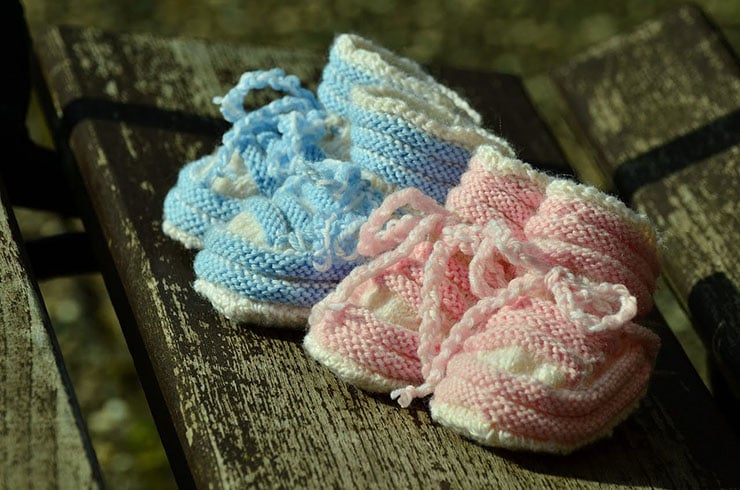
The world of baby fashion is experiencing a profound cultural shift, with parents recognizing that color choices go beyond aesthetic preferences. Several studies suggest that early clothing hues are most likely to impact preferences in later life.
This growing awareness has prompted many families to reconsider traditional color coding, leading them to seek out retailers that offer diverse, thoughtful selections. Stores where parents can buy baby clothes online, like The Trendy Toddlers, offer parents an extensive range of options that support both conventional and unconventional approaches. But what should caretakers pay attention to when they shop?
The Psychology Behind Color Choices
Newborns can only detect high-contrast colors like black, white, and grey. As their vision develops, they begin to perceive and respond to a broader spectrum of colors. The psychological effects of different shades often include:
| Color | Psychological Effect | Best Uses |
| Blue | Calming, reduces heart rate | Sleepwear, quiet time clothing |
| Yellow | Happiness, creativity | Playtime outfits, daytime wear |
| Green | Balance, connection to nature | All-day comfort wear |
| Red | Energy, excitement | Active play clothes |
| Orange | Warmth, friendliness | Social situations |
| White | Purity, simplicity | Basic layering pieces |
Brighter hues can stimulate creativity and curiosity, while softer hues can help the child calm down. This guide allows parents to choose colors based on the intended use and timing.
Cultural Shifts and Historical Context
The association of specific colors with gender is a relatively recent phenomenon in human history. In the early 20th century, most kids, including boys, wore dresses until they were six or seven. Generally, baby and children’s clothing was white, mainly because it was easier to wash and bleach. The current blue-for-boys and pink-for-girls convention became widespread only in the 1980s, largely due to the prenatal technology that fueled the mania for gendered clothes.
Modern Gender-Neutral Movement
Today’s parents choose gender-neutral options for various reasons. The goal behind gender neutral clothing (and toys) is to free children from social expectations based on their sex. This shift is more than just a fashion trend; it reflects changing societal values about childhood development and self-expression.
Unconventional Color Choices and Their Benefits

Moving beyond traditional color palettes offers numerous advantages for both children and families:
- Enhanced creativity and self-expression;
- Reduced gender stereotyping pressure;;
- Encouragement of individual personality development;
- Support for cognitive flexibility.
When girls aren’t expected to be dainty and boys are no longer limited to being strong and tough, kids’ true selves can unfold freely. This freedom allows children to develop authentic relationships with colors based on personal preferences rather than societal expectations.
Popular Gender-Neutral Options
Modern retailers respond to demand with expanded color palettes. The most popular gender-neutral options include:
- Yellow and green: These hues are bright and reminiscent of nature, so you cannot go wrong with such a choice.
Earth tones: Brown, beige, and cream create warm, sophisticated looks. - Monochromatic schemes: Black and white combinations offer timeless elegance.
- Muted pastels: Soft versions of traditional bright colors.
Any of these options gives parents the flexibility, but also allows them to preserve the aesthetic appeal.
Practical Considerations for Color Selection
Clearly, parents choosing colors for their baby’s clothing should consider more factors beyond aesthetics.
Safety and Comfort
It’s a must to skip chemical/artificial dyes as much as possible. Notably, deep colors like red and black often require chemical-heavy dyes. They can cause allergic reactions or skin irritations, so opting for organic or naturally dyed fabrics is a safer choice.
Maintenance and Longevity
Lighter shades, especially white, offer a few practical advantages. For starters, white will be the ultimate gender-neutral color. It can be used in any baby clothing item, and if it gets stained, you can bleach it. This makes white an excellent choice for frequently soiled items like onesies and bibs.
Developmental Appropriateness
Different stages of infant development call for different color approaches. You can start to introduce many bright shades as the baby starts to play and discover the world. Yellow, orange, and green may look much more playful, while different shades of blue can convey a calmer mood.
Final Thoughts on Baby Clothing Color
The trend toward diverse, thoughtful color choices in baby clothing reflects broader societal changes in how we understand child development and gender expression. The shift towards gender-neutral kids’ fashion is an attempt to liberate children from stereotypes, allowing them to express themselves and explore who they are. This movement extends beyond mere fashion choices. Instead, it raises fundamental questions about childhood freedom and authentic development.
FTC Disclaimer: Keep in mind that I may receive commissions when you click links and make purchases. However, this does not impact my reviews.
